Environmental Protection Commander
Brand Name:湖北工业大学
Design Company Name:湖北工业大学
Nationality / Region:China

Entry ID:2025-07-4494576
Entry Category:Concept_Group
Categories:Future Scenario
Introduction
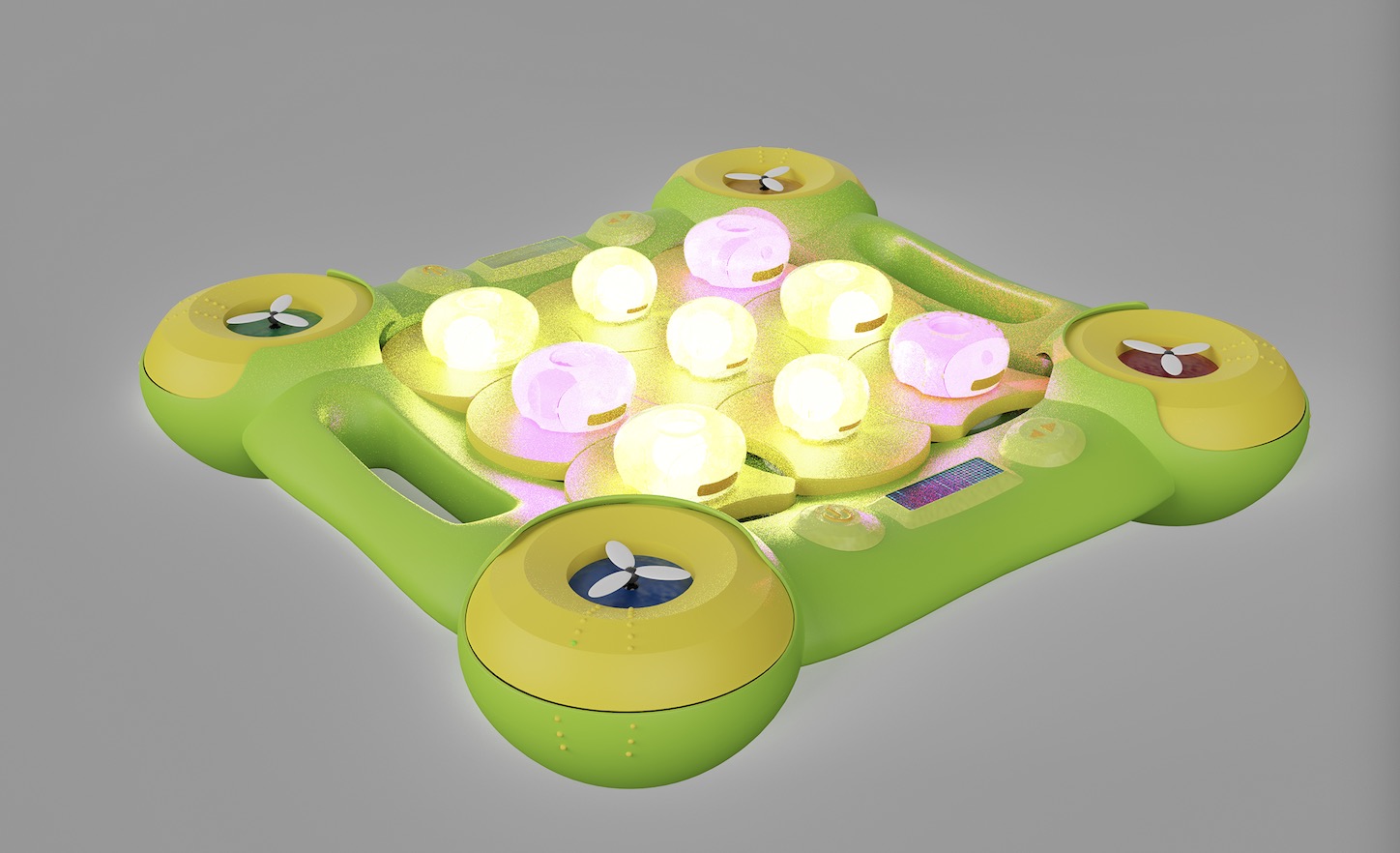
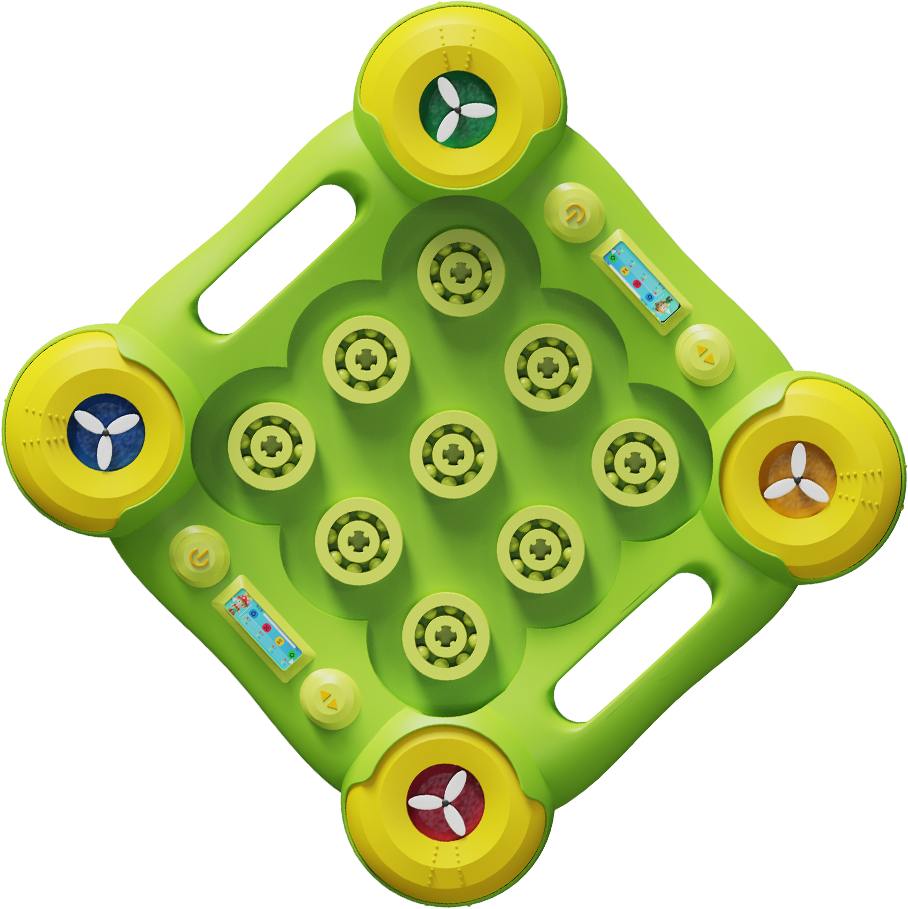
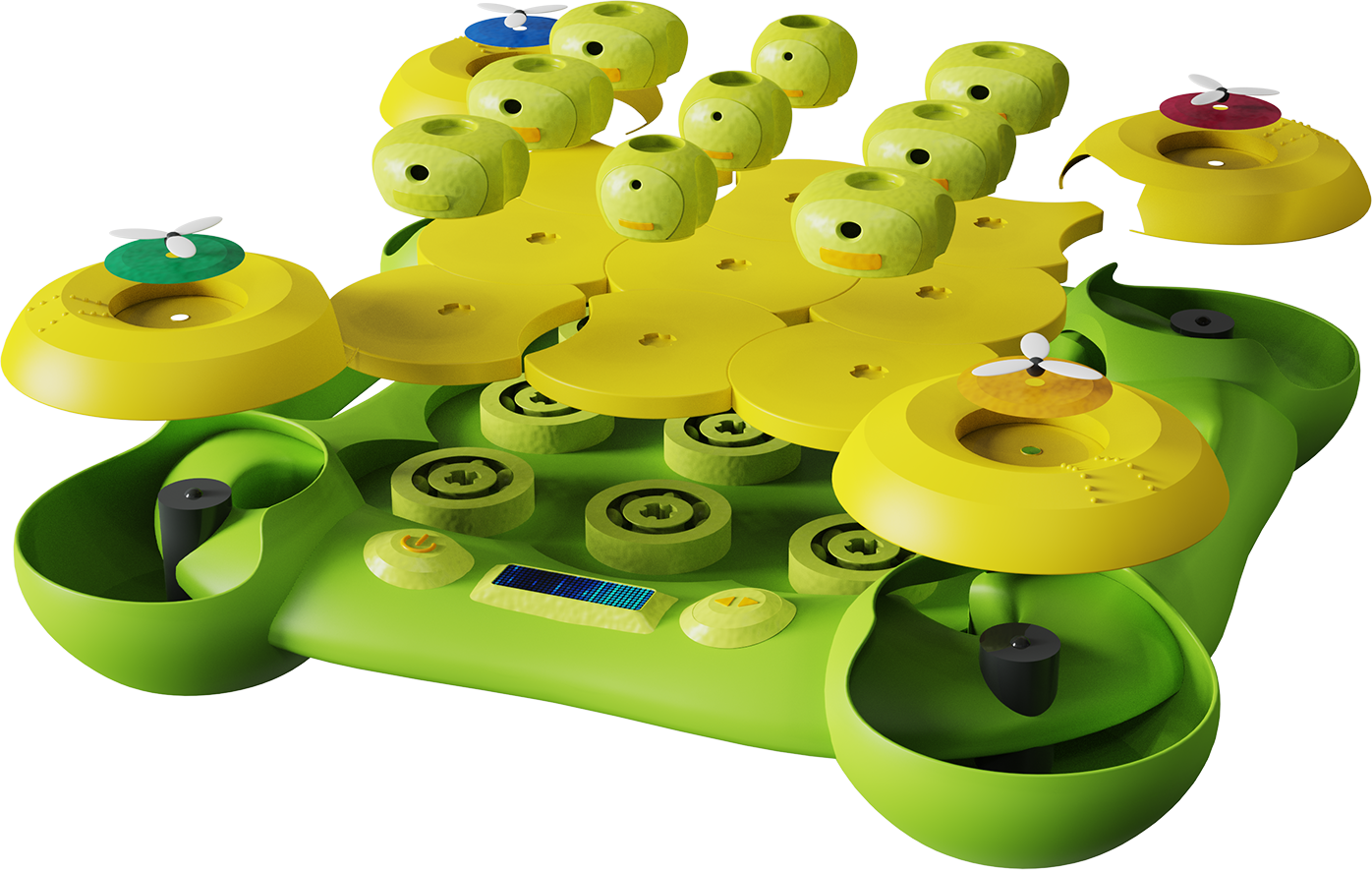
The design inspiration for this waste-sorting toy stems from observing and reflecting on traditional environmental education methods. We noticed that current waste classification teaching often remains at the dull stage of rote memorization using paper flashcards, where children passively receive knowledge without practical opportunities, and what they learn in school rarely translates to real-life scenarios. To make environmental education truly engaging, we drew inspiration from Montessori's "work cycle" theory to create a unique rotating interactive design. As children turn the game disk to deposit waste into corresponding sorting slots, they not only receive immediate tactile feedback but also naturally grasp classification knowledge through play while developing hand-eye coordination. The rotating mechanism's mechanical structure was inspired by fidget spinners, with gear rotations enhancing tactile experience to attract children. Considering the learning needs of different age groups and the importance of family interaction, we specifically designed parent-child collaboration and versus modes, allowing children aged 4-10 to find appropriate challenge levels while growing together through interactive play with parents. The internal structure of the waste bins incorporates electric motor principles to provide positive reinforcement, transforming environmental learning into a fun adventure filled with a sense of achievement.This innovative waste-sorting toy employs a multi-level interactive design to combine education with entertainment. At its core is a rotating system composed of interlocking circular puzzle pieces - children turn the main block with magnetic waste models to align them with corresponding sorting zones. The rotation mechanism adopts the smooth bearing principle of fidget spinners for effortless operation. Each sorting bin contains magnets and a micro-motor system; when a correctly matched magnetic waste model is rotated into position, the magnetic attraction activates spinning copper blades inside, creating visual feedback. The toy also features a smart system that tracks scores, displays rankings, and delivers environmental knowledge through an interactive interface, making the learning process both engaging and fun.The design process of this waste-sorting toy originated from observing and reflecting on traditional environmental education methods. The initial concept emerged after witnessing children mechanically memorizing classification cards in class without translating knowledge into action. We first established the core concept of "turning sorting into a game," aiming to create a toy that combined hands-on operation with learning. During the conceptual development phase, we experimented with various interactive forms and ultimately drew inspiration from the smooth rotation of fidget spinners to determine the basic rotating puzzle block structure. The first prototype used 3D printing to create simple circular blocks and four sorting slots, but testing revealed that while children enjoyed the rotating action, they lacked sufficient feedback motivation. This led to the second-round design incorporating a magnetic attraction system and rotating blade feedback mechanism - when waste models were correctly sorted, the built-in copper blades would spin rapidly, significantly increasing children's engagement. Testing also highlighted varying difficulty needs across age groups, prompting the development of an adjustable difficulty system by altering magnet spacing and block sizes to accommodate children aged 4-10. The final major improvement was adding a smart scoring system using a micro-controller to record game data and provide real-time feedback through a small display, making the learning process more goal-oriented and challenging. The entire development underwent 12 prototype iterations, evolving from rudimentary cardboard models to the refined final product. Each testing round deepened our understanding of children's learning styles and interests, ultimately resulting in this entertaining yet educational environmental toy.