TingCamera
Brand Name:中国美术学院
Design Company Name:中国美术学院
Nationality / Region:China

Entry ID:2025-07-7685668
Entry Category:Concept_Group
Categories:Future Scenario
Introduction
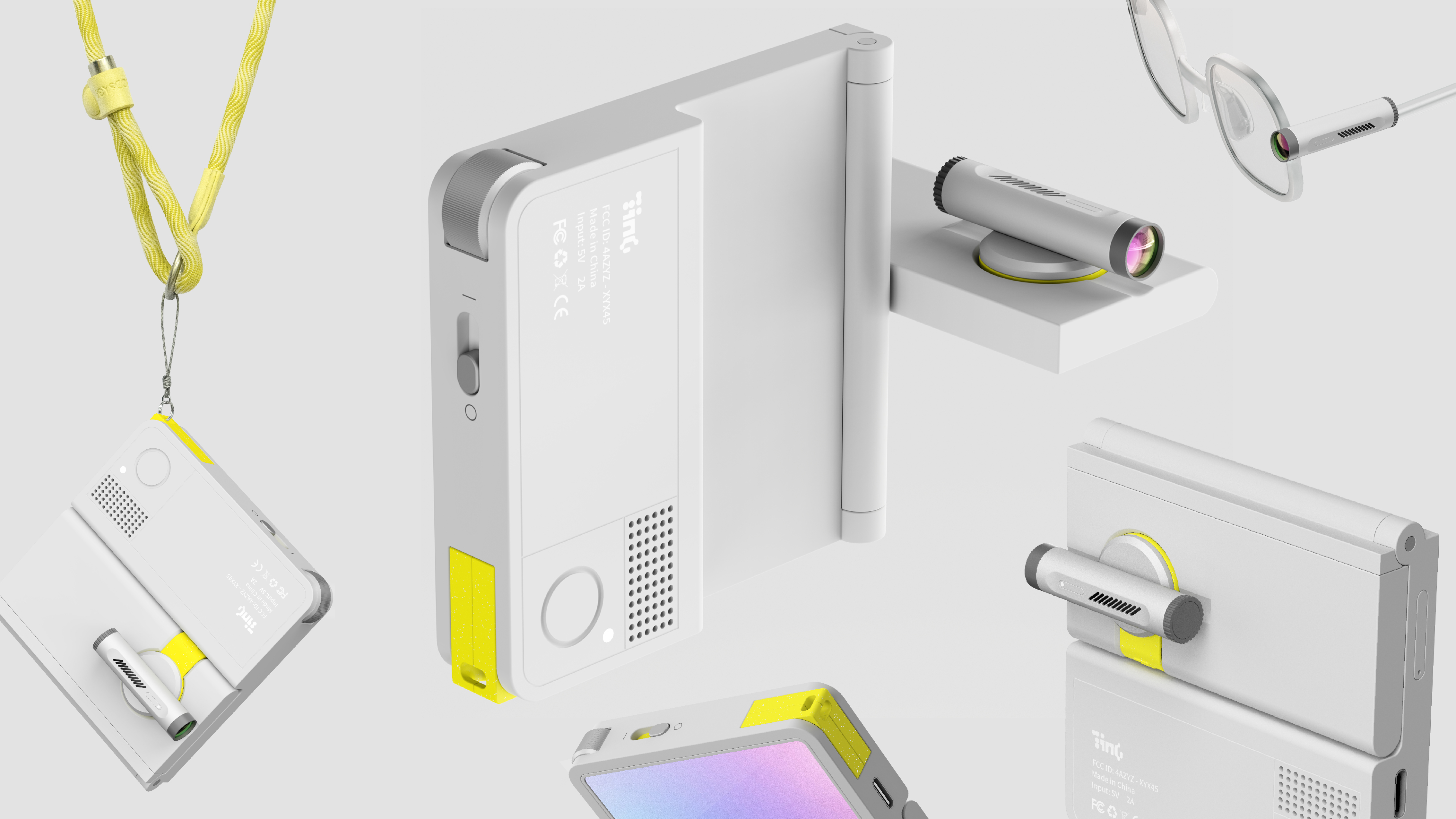
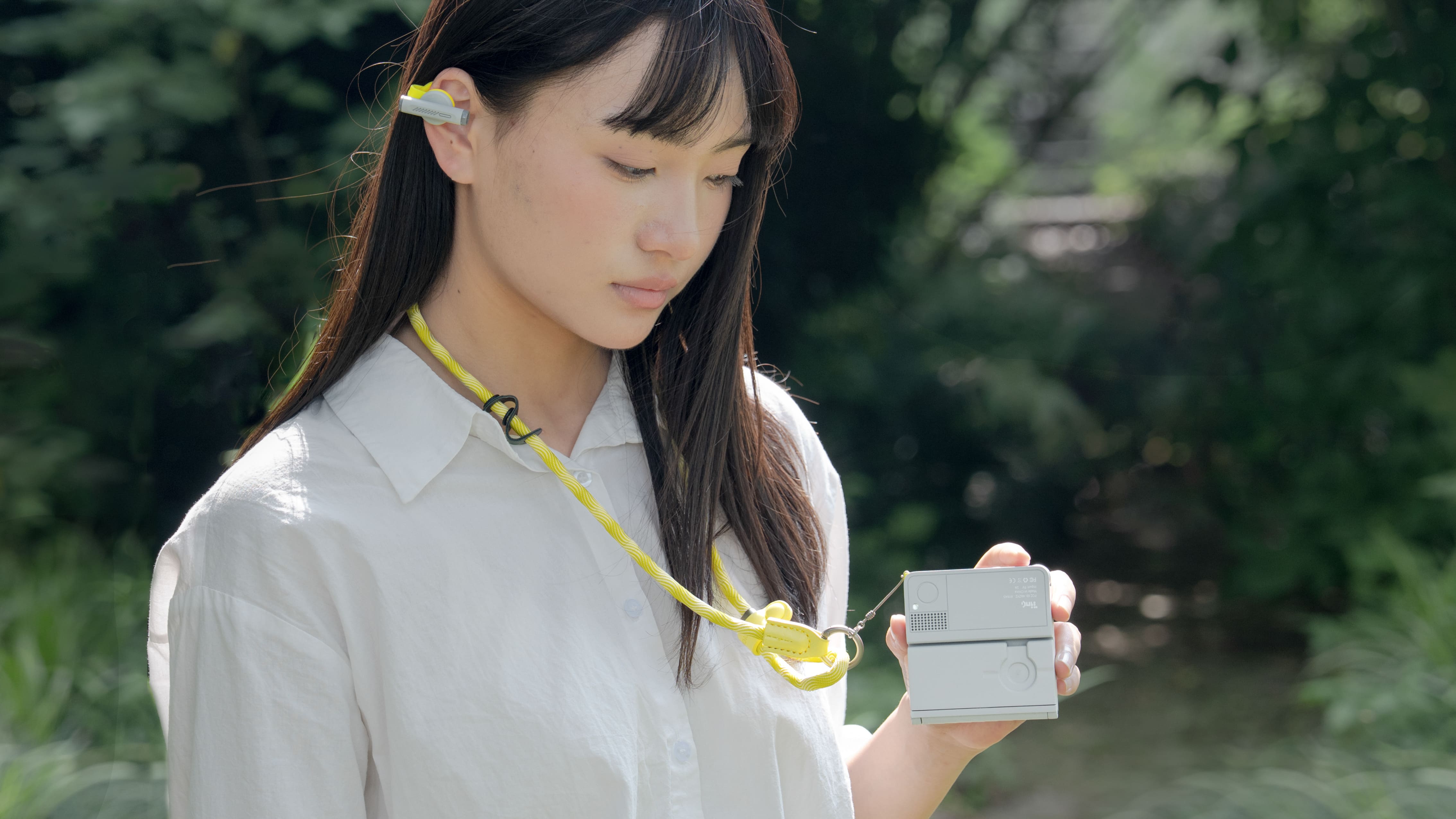
Ting Camera is a wearable AI-powered photography device that integrates voice recognition, emotion analysis, and image processing to explore soundscape-based interaction in tourism. It addresses issues such as sensory disconnection and homogenous travel documentation by enabling users to capture moments through natural speech. When users express emotions or mention nearby scenes, the device automatically records images, applies personalized visual effects based on vocal tone, and facilitates memory sharing through a sound-driven travel experience platform.Ting Camera can be worn in a variety of ways, such as with an ear clip, for a seamless and portable camera experience, ensuring first-person perspective recording during travel. The main module, which can be worn around the neck using a magnetic clasp, features a camera and a wearable module (which can be secured to the ear or hat brim using a silicone clip) for storage and charging. By using a non-intrusive recording method, it enhances the immersive experience of travel, allowing users to fully engage in the moment. When users mention the current scenery during their journey, Ting Camera analyzes the visual information from the user's perspective and applies personalized dynamic image processing based on multiple factors such as emotional tone and voice frequency during speech, creating unique and engaging memories. After the trip, when viewing photos, curiosity sparked by obstructed views prompts users to eagerly recall the scenery they once marveled at during their travels. Through a swiping interaction, as users “wipe away the dust from the photo,” the ambient sounds from the shooting environment begin to play. As the original image gradually reappears with the swiping motion and ambient sounds, users feel immersed, as if they were once again in the travel scene. Afterward, users can upload their unique photos, which are rooted in their auditory memories, to create a travel experience sharing platform based on genuine feelings, allowing people to discover those travel destinations that truly delight both the ears and the soul. In terms of technical architecture, Ting Camera adopts a closed-loop system architecture comprising “endpoint data collection—edge processing—service recognition—emotional feedback—platform interaction.” The front-end devices are developed based on the ESP32 platform, integrating an OV2640 camera, I2S digital microphone, TFT touchscreen, and SD storage module to enable real-time collection, compression, and caching of images and audio; The edge end efficiently transmits data to the server via a custom UDP protocol, completing speech transcription (based on FunASR), emotion analysis (combining audio spectrum and semantic models), and image focus detection (YOLOv8) under a Python multi-threaded architecture. Subsequently, the system applies personalized processing such as filter rendering and style transformation to images based on emotion matching results, while simultaneously saving the original image, audio landscape, and processed image. Finally, users can review travel memories incorporating “sound-emotion-visuals” on the platform or share them via the social module for emotional interaction with others. This system architecture not only demonstrates the synergistic efficiency of AI technology across hardware terminals and service systems but also provides a valuable reference path for future smart tourism products centered on multimodal interaction.