"Water&Power yacht diesel engine design
Brand Name:清华大学设计艺术与科学研究中心
Design Company Name:清华大学设计艺术与科学研究中心
Nationality / Region:China

Entry ID:2025-07-2961771
Entry Category:Product_Group
Categories:Manufacturing Equipment
Introduction
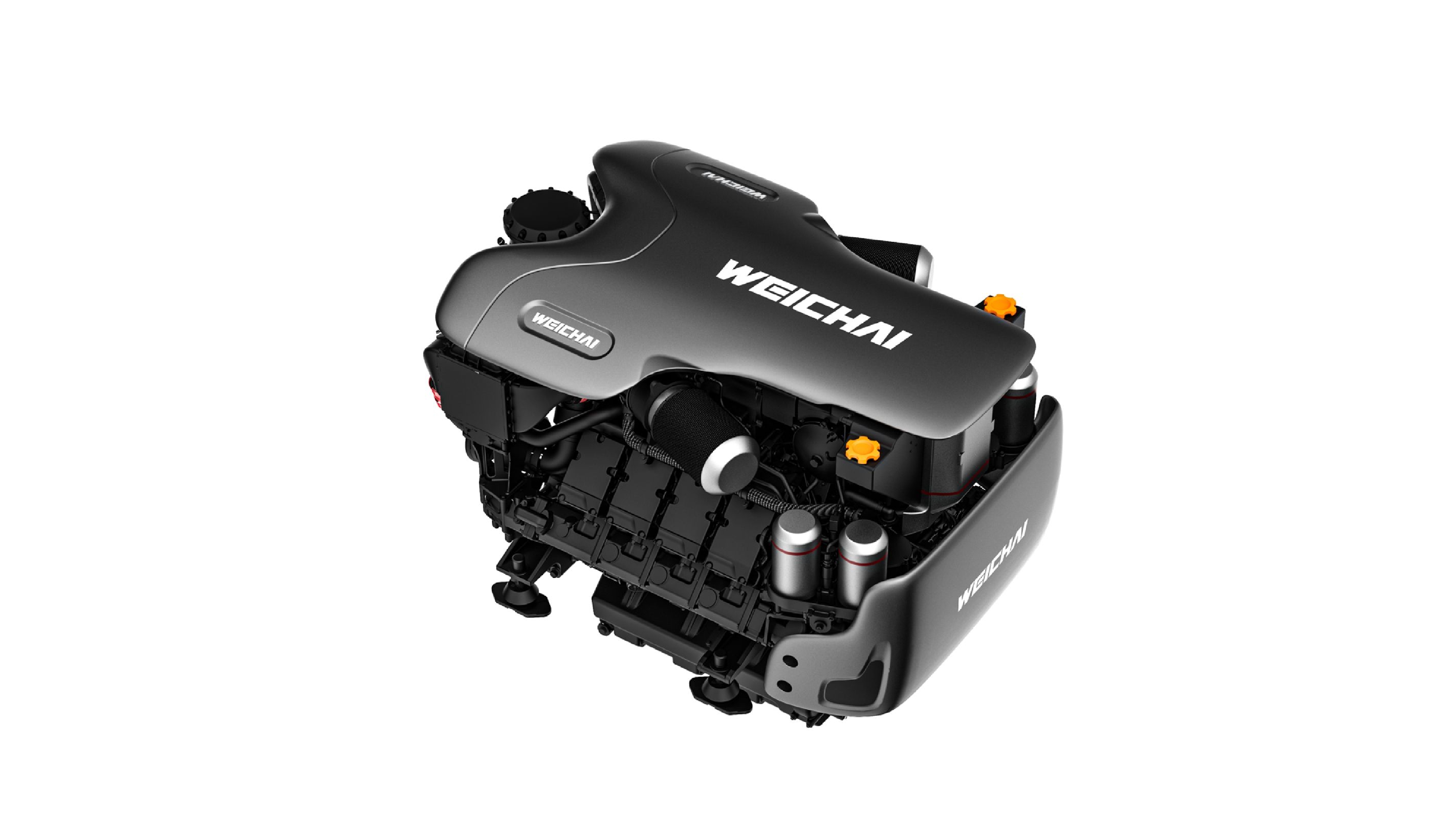
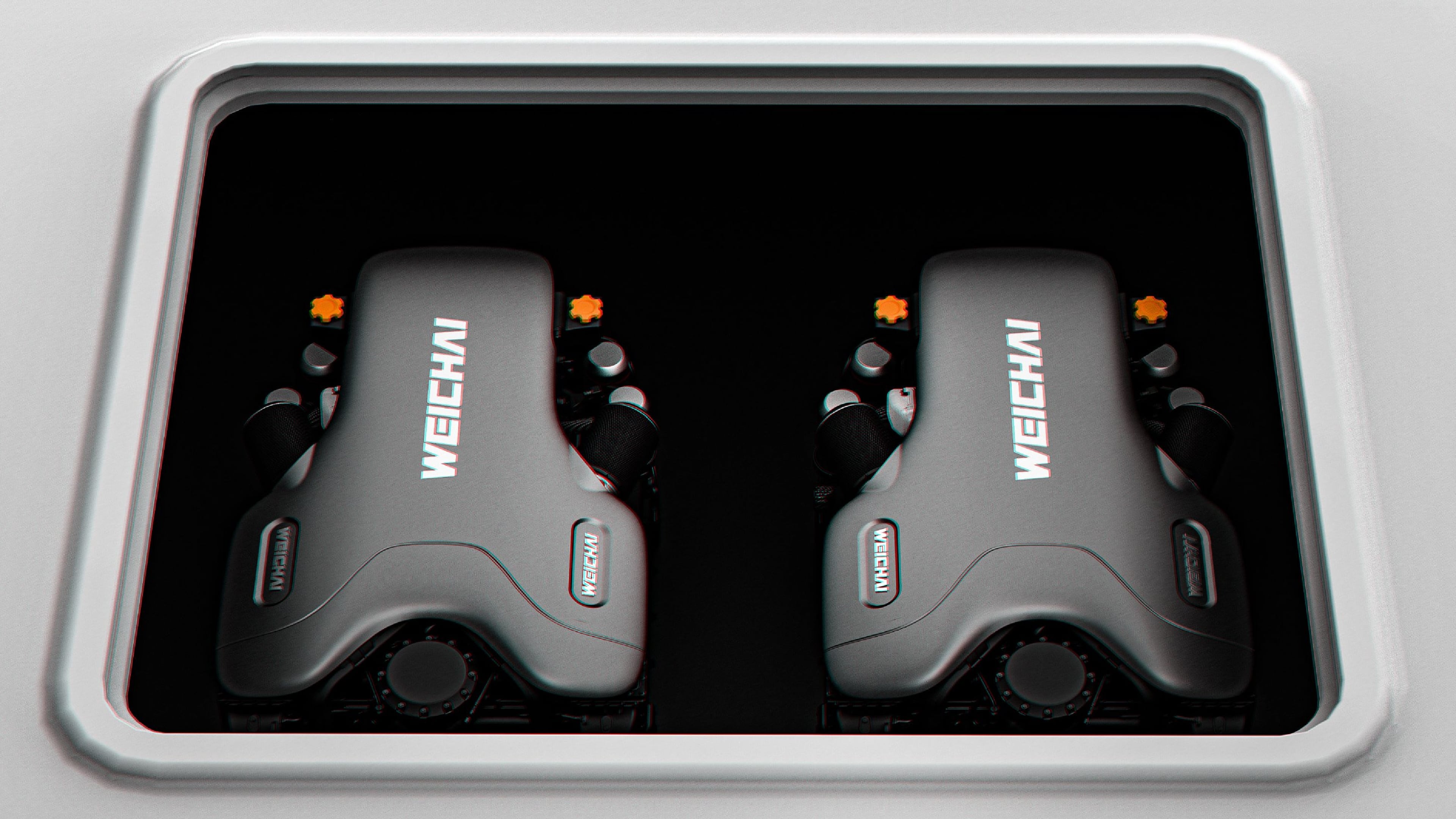
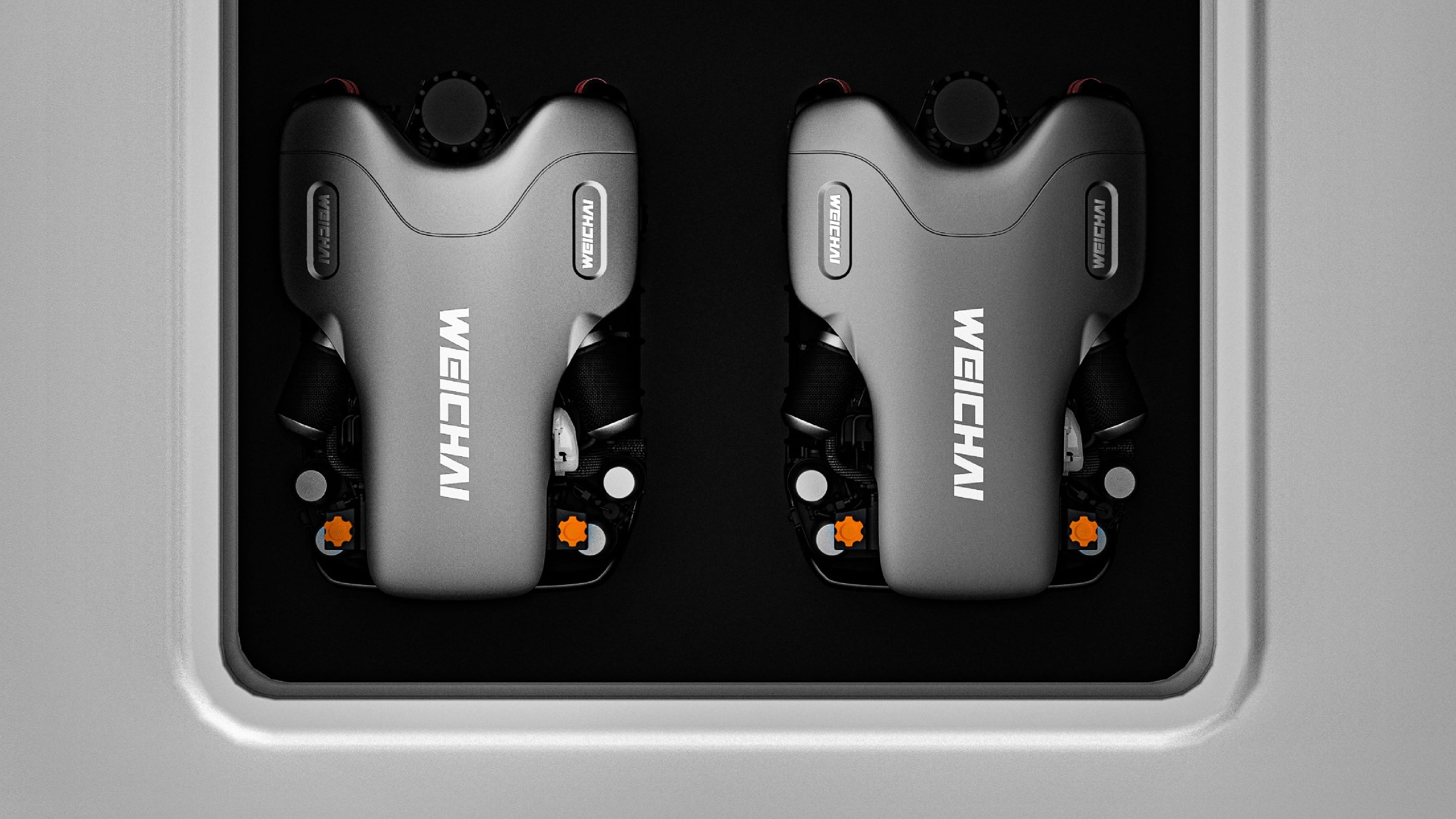
“water&power” is the image design of diesel engine specially created for Weichai Power business yachts. Inspired by the soft tension of water, the design integrates the flowing rhythm into the modeling language, and matches the lightweight carbon fiber material, which not only echoes the natural connection between yachts and water, but also through the sense of technology of the material and the spirit of the modeling, it gives the engine of the business yacht a sense of power and elegance of visual expression, and lets the mechanical device form a harmonious resonance with the high-end business scene of the yacht.Practicality The selection of carbon fiber material is the core support of practicality: its lightweight characteristics can reduce the load of the engine on the yacht, reduce energy consumption, and enhance the yacht's range; at the same time, carbon fiber has a high strength, corrosion-resistant characteristics, and can adapt to the yacht's long-term contact with moisture in the humid environment, extending the service life of the engine, which is in line with the practical needs of business yachts on the stability of the equipment, durability, and from the level of the material direct It serves the efficient operation of the yacht directly from the material level. Usability 's styling inspired by the “soft tension of water” enhances usability: the smooth lines not only optimize the engine's spatial adaptability, making it easier to be embedded in the cabin layout of the business yacht and reducing installation obstacles; the soft contours also reduce the risk of bumping during maintenance, making it easier for maintenance personnel to work in close proximity. This kind of shape harmonizes with the spatial environment of business yachts, which makes the engine more suitable for the actual operation scenarios in the process of using and maintaining, and improves the convenience. Functionality Embodiment as a diesel engine, its core function is to provide power for business yachts, and the image design strengthens the functional expression through the combination of material and shape: the physical characteristics of carbon fiber material to ensure the high efficiency and stability of the engine's power output to meet the requirements of power performance of the business yachts; the “water tension” modeling alludes to the rhythm of power when the engine is running, which is not only the engine's performance, but also the engine's performance. The “water tension” modeling alludes to the power rhythm of the engine when running, which not only conveys the functional attribute of “strong power” through visual language, but also echoes the high-end positioning of the business yacht with elegant temperament, so as to unify the function with the atmosphere of the scene, and to enhance the user's perception of the engine's performance and recognition.Formal beauty embodied The engine image takes “the soft tension of water” as the core modeling language, integrating the dynamic curves and sense of tension of water flow into the mechanical contour, abandoning the hard angles of the traditional engine, and shaping a visual form with both power and elegance with smooth and coherent lines. This design not only echoes the natural association between yachts and water, but also visually balances the industrial sense of the mechanical device and the high-end temperament of the business scene through the soft and rigid modeling, so that the engine becomes an organic part of the overall aesthetics of the yacht, and conveys the visual experience of “power and nature in harmony” with the unique language of form. Functional beauty embodies Functional beauty focuses on the “in-depth adaptation of modeling and practical scenes”. Business yachts have strict requirements on space utilization and equipment coordination, and the “soft tension of water” modeling optimizes the space occupation of the engine, making it easier to integrate with the layout of the yacht cabin and reducing the waste of installation space; at the same time, the smooth lines reduce the airflow resistance in the cabin and indirectly improve the heat dissipation efficiency. This design allows form to serve function - not only to meet the demand for “unobtrusive and efficient” equipment in the business scene, but also to imply the power output characteristics of the engine through the visual form, so that the beauty of function is naturally presented in the coordination of practicality and scene. Material Beauty Material beauty comes from the precise match between the characteristics of carbon fiber and the needs of the scene. Carbon fiber itself has the physical properties of light weight and toughness, and the texture of its surface comes with a delicate scientific and technological texture, which matches the high-end positioning of the business yacht; at the same time, the water-resistant and corrosion-resistant characteristics of carbon fiber can adapt to the environment of the yacht's long-term contact with water vapor, and safeguard the stability of the engine from the material nature. This material not only supports the practical function of the engine with “light weight and high strength”, but also echoes the water rhyme shape with low-key technological texture, so that the physical properties of the material and the aesthetic qualities jointly serve the scenario positioning of “business yacht equipment”. The beauty of craftsmanship is embodied in The beauty of craftsmanship is embodied in the “precise fusion of material and shape”. The carbon fiber molding process needs to be precisely controlled in order to achieve the complex curved surfaces and smooth lines required by the “soft tension of water” - from mold design to carbon fiber weaving and curing, each step of the process needs to ensure the smoothness of the shape and structural stability, to avoid defects in the shape caused by the characteristics of the material. Avoiding form imperfections due to material characteristics. This process not only supports the visual presentation of the “Water Rhythm Shape”, but also guarantees the full play of carbon fiber properties (such as lightweight and high strength) through precision processing, making the process a bridge connecting the design concept and actual quality, and highlighting the rigorous aesthetics of “symbiosis of technology and aesthetics”. The aesthetics of “technology and aesthetics coexist”.The cultural value of the engine's image design is rooted in the in-depth interpretation of “symbiosis between science and technology and nature” and “high-end scene aesthetics”, which is reflected in three aspects: First, it conveys the “harmonious philosophy of water and power”. Taking “the soft tension of water” as the modeling inspiration, integrating natural elements with mechanical power, breaking the stereotypical cognition of “machinery as cold industry”, and alluding to the “unity of man and nature” cultural concept, the engine becomes a combination of the power of nature and the power of nature. The concept of “the unity of man and nature” is implied, making the engine a carrier of the symbiosis between the power of nature and industrial civilization, and conveying the aesthetic pursuit of “balance and harmony”. Secondly, it fits the cultural demands of high-end business scenes. For the design of business yachts, the technological texture of carbon fiber material and the elegant temperament of water rhyme shape accurately echo the cultural expectations of high-end business scenes for “professionalism, sophistication and style”. Mechanical devices are no longer purely functional carriers, but have become cultural symbols that highlight taste and identity, reinforcing the value orientation of “technology and aesthetics” in business space. Third, promote the humanistic turn of industrial design. By integrating natural imagery and scenarios into engine image design, it breaks through the limitations of traditional industrial products that emphasize function but not aesthetics, and demonstrates industrial design's concern for the humanistic spirit - letting the machinery resonate with the environment and the function with the emotion, and providing a paradigm for cultural expression for similar products, and helping to promote the cultural expression of the same products. It provides a paradigm for the cultural expression of similar products and helps industrial design upgrade from “technology-driven” to “culture-enabled”.Safety Embodiment The engine relies on the double guarantee of material and design in terms of safety: the carbon fiber material is not only lightweight, but also has excellent corrosion resistance and impact resistance, which can adapt to the humid environment of yachts with long-term contact with water vapor, and reduce the risk of failures due to material aging or corrosion; at the same time, the “water soft tension” modeling optimizes the heat dissipation path of the engine to avoid safety hazards caused by local overheating, and provides a solid safety line for the stable operation of the business yacht. At the same time, the “soft tension of water” modeling optimizes the heat dissipation path of the engine, avoiding safety risks caused by local overheating, and building a safe line of defense for the stable operation of the business yacht. The design of improves the ease of maintenance from a practical point of view: the smooth modeling lines reduce the bumps and corners on the engine surface, making it easy to clean and inspect; the dirt-resistant and easy-to-care characteristics of the carbon fiber material reduce the frequency and difficulty of daily maintenance; in addition, the layout design of the cabin adapted to the business yachts reserves a reasonable space for the maintenance operation, so that the maintenance personnel can more conveniently access to the core components to improve the maintenance efficiency, which is suitable for the business scenarios of the equipment. In addition, the layout design of the cabin is suitable for business yachts, reserving reasonable space for maintenance operation, allowing maintenance personnel to have easier access to core components and improving maintenance efficiency, which is in line with the business scenario's demand for “low interference and high efficiency” in the use of equipment.