VirtX - Virtual Haptic Sensory Garment
Brand Name:Tongji University
Design Company Name:Tongji University
Nationality / Region:China

Entry ID:2024-07-4729930
Entry Category:Concept_Group
Categories:Digital Technology
Introduction
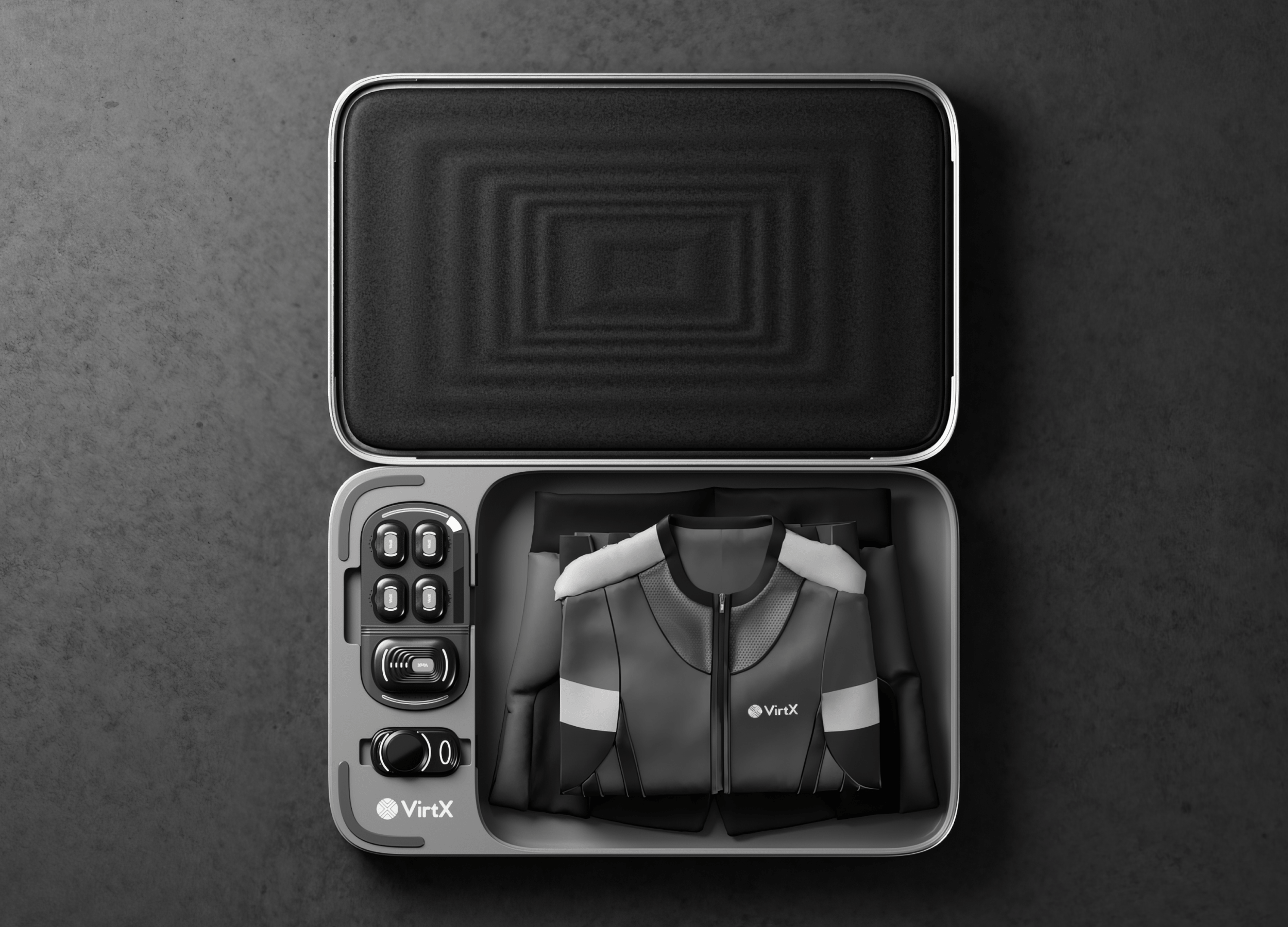
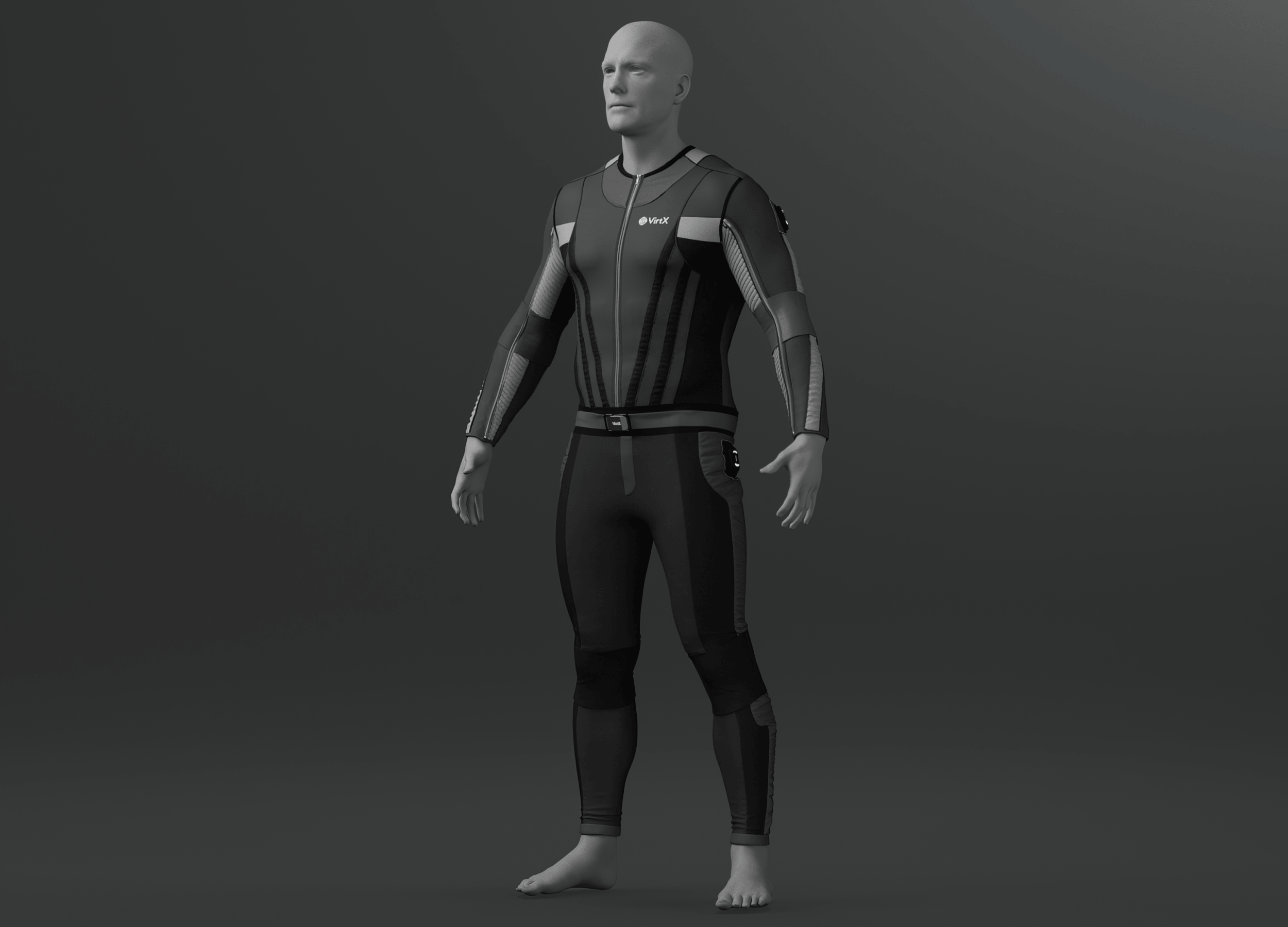
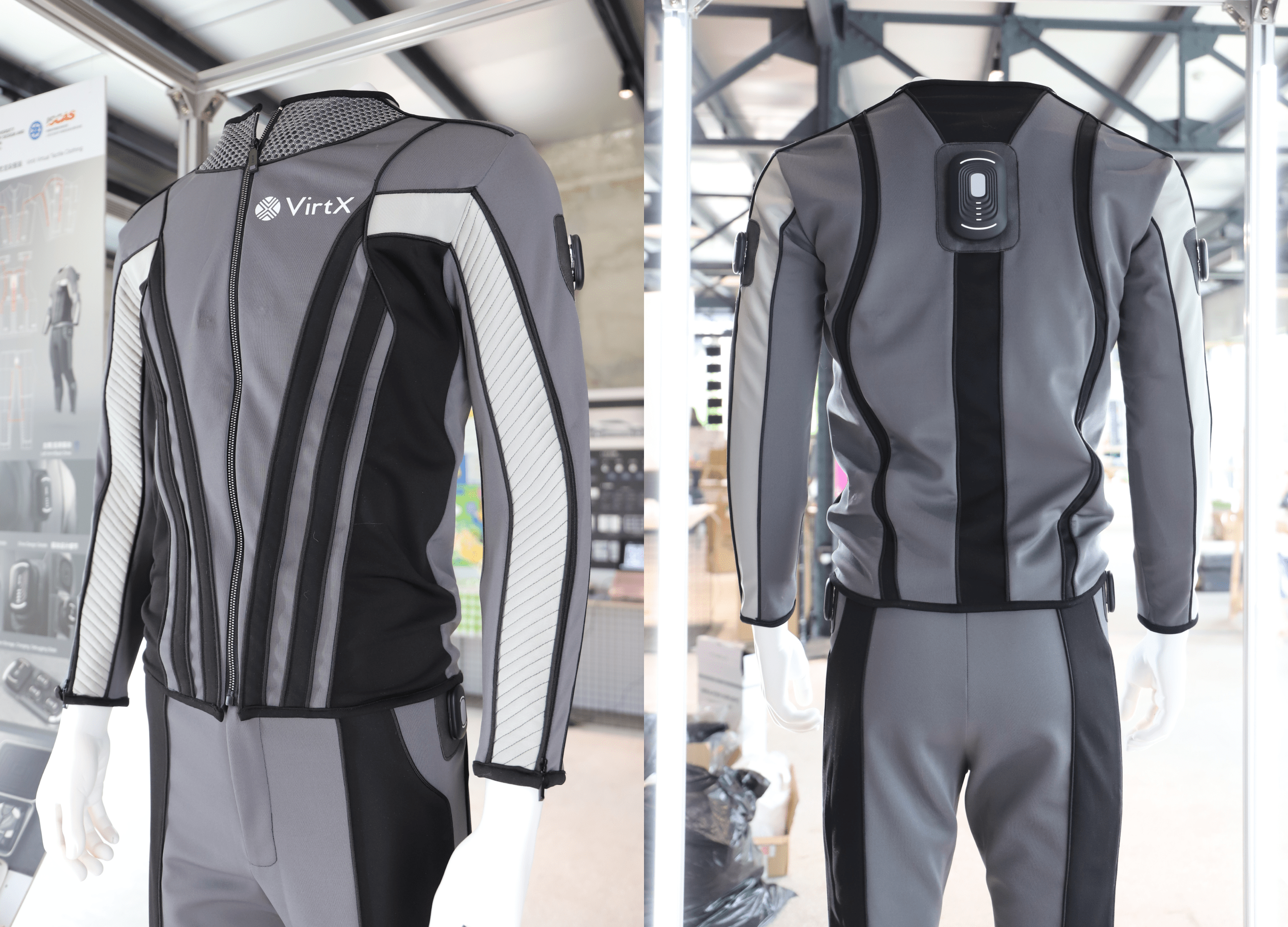
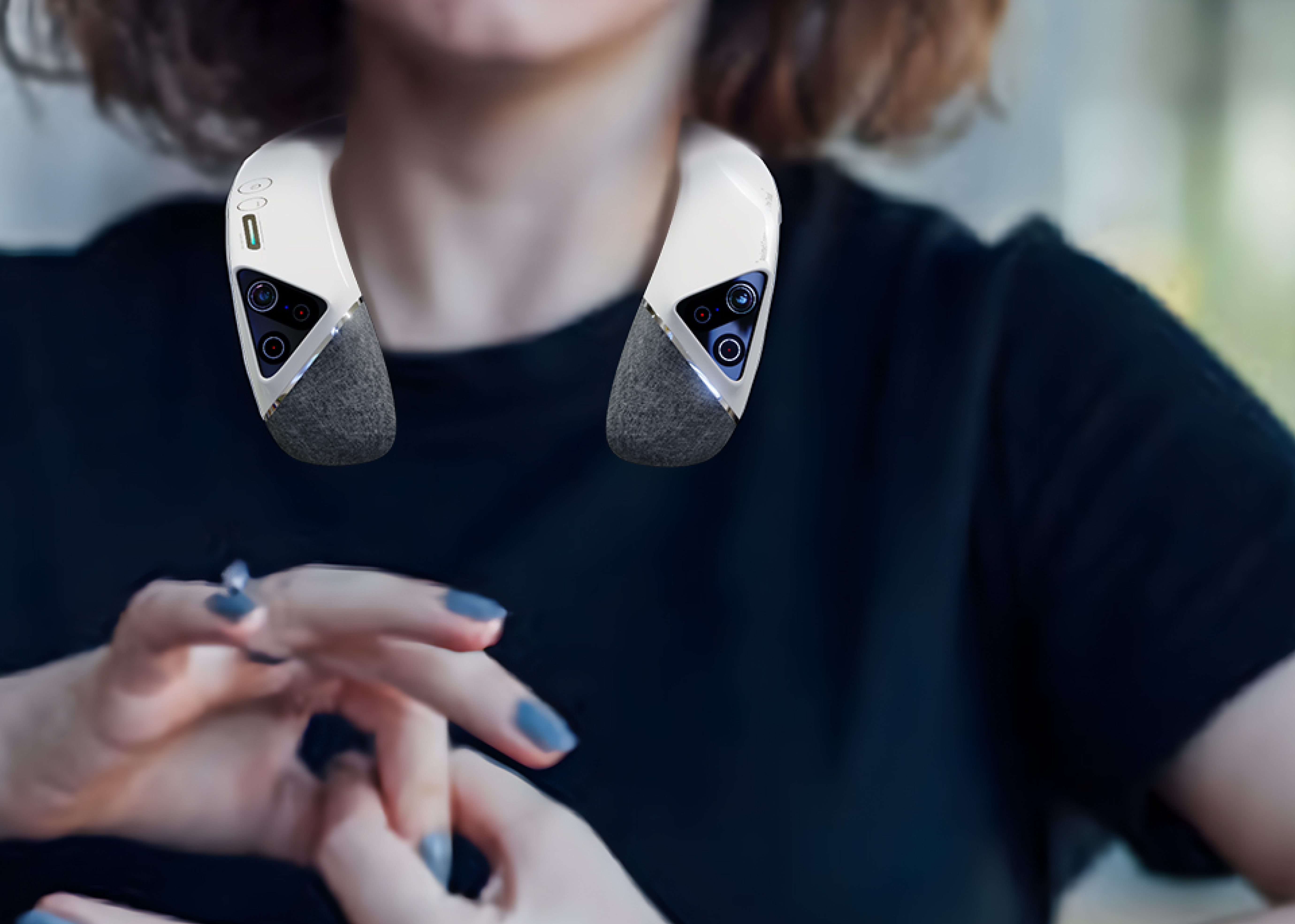
This product is jointly developed by the Institute of Software, Chinese Academy of Sciences, and the College of Design and Innovation, Tongji University. It aims to explore virtual haptics as a product form for next-generation extended reality devices. Haptics has extraordinary significance for immersive interaction. When paired with cutting-edge equipment such as VR headsets and omnidirectional treadmills, the product can bring new possibilities to fields such as education, entertainment, and healthcare. VirtX has developed and transformed the most advanced electro-tactile rendering technology, seamlessly integrating electrodes with textiles through a multi-layer weaving structure, achieving a virtual haptic interface based on close-fitting fabric with a resolution of up to 1mm, surpassing the tactile perception threshold of over 95% of human skin.The garment is the best carrier form for virtual haptic devices, but it needs to meet user habits in terms of wearing, cleaning, and device ecosystem interconnection. VirtX has developed a multi-electrode control architecture based on shift registers, with the potential for integrated weaving of garments. Through engineering structure optimization, a distributed drive solution under a Bluetooth network is adopted, reducing the size and weight of the electronic drive hardware to a level that can be directly attached to the garment. VirtX has also developed a software and hardware programming and debugging ecosystem for developers, laying the foundation for the product's application ecosystem.The appearance design of the garment perfectly integrates the internal wiring, striving to achieve unity of form and function. The garment design, combined with the appearance design of the drive hardware, forms a unified and recognizable design language.This product can be described as a full-body interface between the user and the digital environment. In the context of global high-speed network development, the transmission of multi-category, multi-modal information across geographical boundaries will be an inevitable direction for the future development of the information industry. This product will play a positive role in globalization and in bridging the information resource gap.The experimental prototype of this product has completed extensive user testing and has passed the local official ethical review. The product ensures user safety at both the software and hardware technology levels. Although this technology uses electrical stimulation as a method of virtual tactile rendering, its electrical pulse frequency avoids the "A-delta fibers" of the myelinated spinal cord that generate pain, and only effectively simulates the bioelectrical signals released by subcutaneous mechanoreceptors. Four types of sensations—pricking, stroking, tapping, and pressing—have been developed, along with examples of more than 20 dynamic and static tactile patterns.